Dr Vikash Chennur : Best Interventional Radiologist in Bangalore

Author name: drvikash

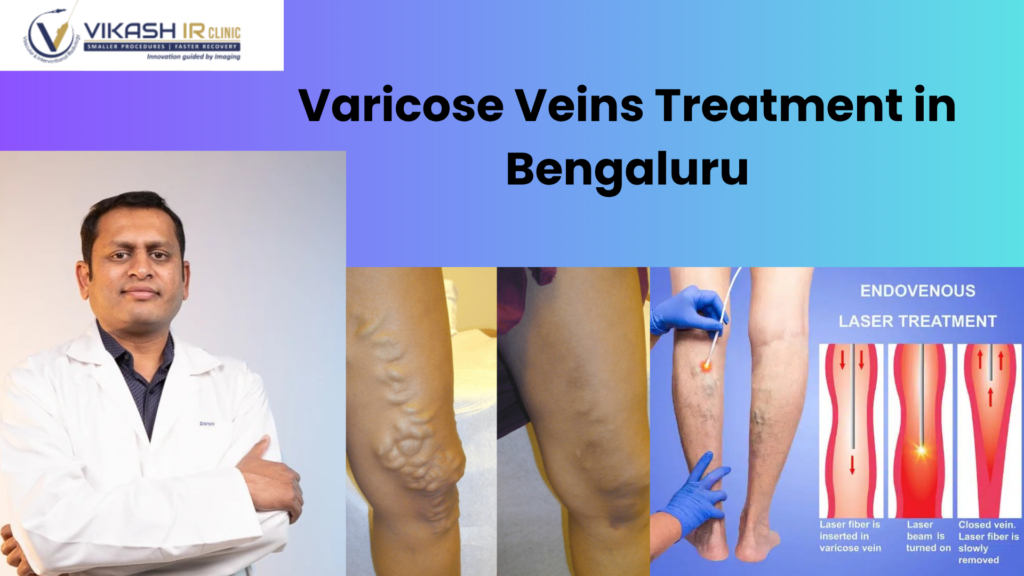
Best Varicose Veins Treatment in Bengaluru
Blog

Best varicose veins treatment in Bengaluru

Best Varicose Veins Treatment in Bengaluru Introduction Best Varicose Veins Treatment in Bengaluru has become an essential healthcare solution for individuals suffering from leg pain, swelling, and visibly enlarged veins. Varicose veins are a common condition where veins become twisted and swollen, usually appearing in the legs due to poor blood circulation. With advanced medical technology and expert care, Bengaluru has emerged as a leading destination for safe and effective treatment. This is why many patients today prefer Best Varicose Veins Treatment in Bengaluru for reliable and long-lasting results. What Are Varicose Veins? Varicose veins occur when the valves in the veins weaken or become damaged, causing blood to pool instead of flowing properly. This leads to enlarged, bulging veins that may cause discomfort or pain. Factors such as prolonged standing, genetics, obesity, and hormonal changes can increase the risk. Seeking Best Varicose Veins Treatment in Bengaluru at an early stage helps prevent complications and ensures better recovery outcomes. Common Symptoms If you notice the following symptoms, you should consult a specialist: Aching or heavy feeling in the legs Swelling in the lower legs Visible twisted or bulging veins Skin discoloration around the veins Itching or burning sensation Ignoring these symptoms can lead to serious complications. Early intervention with Best Varicose Veins Treatment in Bengaluru can significantly improve your condition. Advanced Treatment Options Bengaluru offers a wide range of modern and minimally invasive treatment options that are safe and highly effective: 1. Laser Treatment (EVLT) Laser treatment is one of the most popular procedures where laser energy is used to close the affected veins. It is painless, quick, and requires minimal downtime. This makes it a key part of Best Varicose Veins Treatment in Bengaluru. 2. Radiofrequency Ablation (RFA) This technique uses heat generated by radiofrequency energy to seal the damaged veins. It is another advanced and widely preferred option. 3. Sclerotherapy This treatment involves injecting a solution into smaller varicose veins, causing them to shrink and disappear over time. 4. Glue Therapy (VenaSeal) A modern non-surgical treatment where medical adhesive is used to close the veins, offering quick recovery and excellent results. These advanced procedures ensure that Best Varicose Veins Treatment in Bengaluru is both effective and comfortable for patients. Why Choose Bengaluru? Bengaluru is known for its world-class healthcare facilities and experienced specialists. Patients choose Best Varicose Veins Treatment in Bengaluru because of: Highly skilled vascular surgeons Advanced diagnostic and treatment technologies Affordable treatment options International-quality healthcare services Many patients from across India and abroad visit the city for Best Varicose Veins Treatment in Bengaluru due to its high success rates and patient satisfaction. Benefits of Early Treatment Choosing early treatment offers several advantages: Relief from pain and discomfort Improved blood circulation Better cosmetic appearance Reduced risk of complications Faster recovery Timely care through Best Varicose Veins Treatment in Bengaluru helps patients return to their normal lifestyle quickly and safely. Recovery and Aftercare One of the biggest advantages of modern procedures is the fast recovery time. Most patients can go home the same day and resume normal activities within a few days. Doctors may recommend: Wearing compression stockings Regular walking Avoiding prolonged sitting or standing Following proper aftercare enhances the results of Best Varicose Veins Treatment in Bengaluru and prevents recurrence. Cost of Treatment The cost of treatment depends on the type of procedure, the severity of the condition, and the healthcare facility. However, compared to many other cities and countries, Best Varicose Veins Treatment in Bengaluru is considered affordable while maintaining high standards of care. When to See a Doctor If you experience persistent leg pain, swelling, or visible veins, do not delay medical consultation. Early diagnosis and treatment from experts offering Best Varicose Veins Treatment in Bengaluru can prevent serious complications and improve your quality of life. Learn More About Varicose Veins For more detailed medical information, you can visit this trusted source: https://drvikashir.com/ Conclusion Varicose veins are a common yet treatable condition. With advanced medical technologies and expert care, Best Varicose Veins Treatment in Bengaluru provides safe, effective, and long-lasting results. Whether you are dealing with pain, swelling, or cosmetic concerns, choosing the right treatment at the right time can make a significant difference.
Non-Surgical Fibroid Treatment Bengaluru
Blog

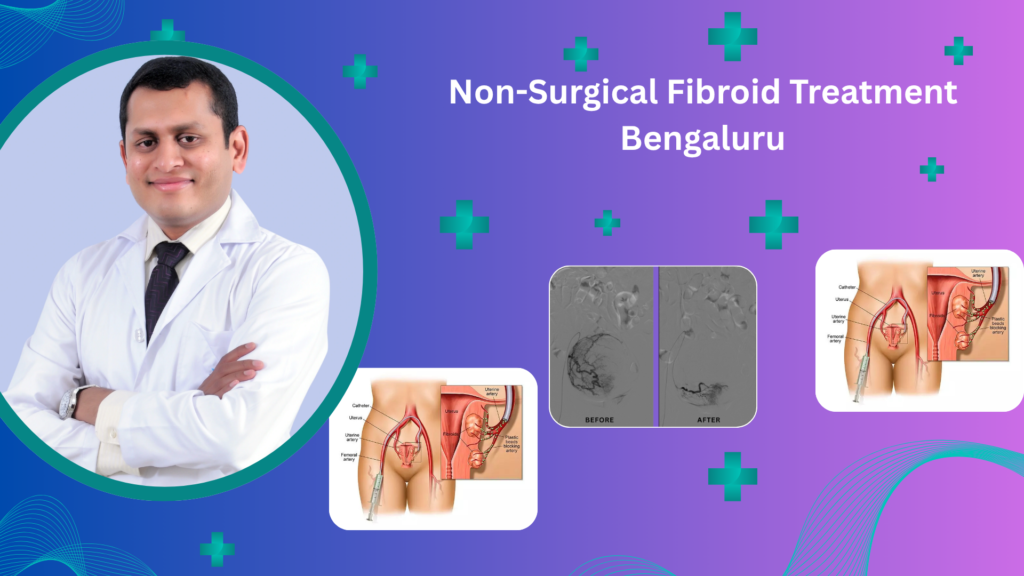
Non-Surgical Fibroid Treatment Bengaluru

Non-Surgical Fibroid Treatment Bengaluru Fibroid management has improved significantly with the introduction of minimally invasive medical techniques. Today, women have access to safe and effective alternatives that do not require traditional surgery. Non-Surgical Fibroid Treatment Bengaluru is widely chosen by patients who want relief from fibroid symptoms while avoiding long recovery times and surgical risks. This modern approach focuses on comfort, precision, and long-term health benefits. Understanding Fibroids Fibroids are non-cancerous growths that develop in or around the uterus. They are common among women and may vary in size and number. Some fibroids remain asymptomatic, while others can cause noticeable issues such as heavy menstrual bleeding, pelvic pain, abdominal bloating, and frequent urination. These symptoms can affect daily activities and overall well-being if not treated on time. Early diagnosis plays an important role in managing fibroids effectively. With the right treatment plan, including Non-Surgical Fibroid Treatment Bengaluru, it is possible to control symptoms and improve quality of life without undergoing major procedures. Modern Non-Surgical Approach Medical advancements have made it possible to treat fibroids using image-guided techniques. These procedures are designed to target fibroids precisely without damaging surrounding tissues. One of the most commonly used methods is uterine fibroid embolization (UFE), where the blood supply to fibroids is blocked, causing them to shrink gradually. This approach is minimally invasive and performed by trained specialists using advanced imaging tools. Many patients now prefer Non-Surgical Fibroid Treatment Bengaluru for its precision and effectiveness. Benefits of Treatment There are several advantages to choosing a non-surgical method for fibroid care: No large incisions or stitches Minimal pain and discomfort Faster recovery compared to surgery Short hospital stay or same-day discharge Lower risk of complications Preservation of the uterus These benefits make Non-Surgical Fibroid Treatment Bengaluru a preferred option for women seeking safe and efficient treatment. Procedure Overview The treatment process begins with proper evaluation using imaging tests such as ultrasound or MRI. These tests help determine the size, number, and location of fibroids. Based on this assessment, a suitable treatment plan is created. During the procedure, a small catheter is inserted through a tiny puncture, usually in the wrist or groin area. Using real-time imaging guidance, the doctor performs the treatment with high precision. Non-Surgical Fibroid Treatment Bengaluru is typically done under local anesthesia, ensuring patient comfort throughout the procedure. Recovery and Aftercare Recovery from minimally invasive fibroid treatment is generally smooth and quick. Patients can start walking soon after the procedure and return to light activities within a few days. Full recovery usually takes a short period compared to traditional surgery. Doctors may recommend simple aftercare steps such as hydration, medication, and follow-up visits. With Non-Surgical Fibroid Treatment Bengaluru, patients often notice a gradual reduction in symptoms and improved daily comfort. Why Choose Bengaluru for Treatment? Bengaluru is one of the leading cities for advanced medical care. It is known for modern healthcare infrastructure, experienced specialists, and access to the latest technology. Patients choosing Non-Surgical Fibroid Treatment Bengaluru benefit from high-quality care and personalized treatment plans. The city offers a combination of expertise and innovation, making it a preferred destination for fibroid care. Long-Term Effectiveness Minimally invasive fibroid treatments are known for their long-term benefits. By addressing the root cause, these procedures provide lasting relief from symptoms. Many patients experience improved energy levels, reduced discomfort, and better overall health. Maintaining a healthy lifestyle, along with proper medical follow-up, enhances the effectiveness of Non-Surgical Fibroid Treatment Bengaluru and ensures long-term results. Conclusion Non-Surgical Fibroid Treatment Bengaluru offers a safe, modern, and effective way to manage fibroids without surgery. With its minimally invasive approach, faster recovery, and reliable results, it has become a trusted choice for many women seeking better healthcare solutions.

GAE Treatment for Knee Pain
Blog

GAE Treatment for Knee Pain

GAE Treatment for Knee Pain GAE Treatment for Knee Pain is an advanced, minimally invasive medical approach designed to relieve chronic knee pain effectively without the need for major surgery. This modern technique is gaining popularity among patients who are looking for safe, non-surgical solutions to manage knee discomfort and improve mobility. With a focus on precision and faster recovery, GAE Treatment for Knee Pain is becoming an important part of modern healthcare. What is GAE Treatment for Knee Pain? GAE Treatment for Knee Pain refers to Genicular Artery Embolization, a specialized procedure that targets the blood vessels responsible for inflammation in the knee joint. By reducing abnormal blood flow, this treatment helps decrease inflammation and pain, allowing patients to experience significant relief. This procedure is especially beneficial for individuals suffering from chronic knee pain, including those with osteoarthritis. It offers a non-surgical alternative for patients who want to avoid joint replacement or are not suitable candidates for surgery. Benefits of GAE Treatment for Knee Pain Choosing GAE Treatment for Knee Pain offers several key benefits: ✔️ Minimally invasive procedure with no major incisions✔️ Reduced knee pain and improved joint function✔️ Faster recovery compared to traditional surgery✔️ Lower risk of complications✔️ No need for long hospital stays✔️ Improved quality of life and mobility These advantages make it a preferred option for patients seeking effective pain management solutions. Who Can Benefit from This Treatment? GAE Treatment for Knee Pain is suitable for patients experiencing chronic knee pain due to various conditions. It is commonly recommended for: Individuals with osteoarthritis Patients with persistent knee pain not responding to medication Those who want to avoid knee replacement surgery Patients looking for minimally invasive treatment options Each case is evaluated carefully to determine if this procedure is the right choice. How the Procedure Works In GAE Treatment for Knee Pain, a specialized technique is used to target specific blood vessels in the knee. The procedure focuses on reducing inflammation by limiting the blood supply to affected areas. This targeted approach helps relieve pain without affecting surrounding tissues. Since the procedure is minimally invasive, it results in less discomfort and a quicker recovery process for patients. Why Choose GAE Treatment for Knee Pain? There are several reasons why patients prefer GAE Treatment for Knee Pain over traditional surgical options: It avoids major surgery and associated risks It offers quicker recovery and minimal downtime It helps improve mobility and daily function It provides long-lasting pain relief With these benefits, it is becoming a widely accepted treatment for managing chronic knee pain. Recovery and Results One of the biggest advantages of GAE Treatment for Knee Pain is the quick recovery time. Most patients can return to their daily activities within a short period after the procedure. Patients often experience gradual improvement in pain and mobility over time. The results are long-lasting, making it a reliable option for those seeking effective pain relief. A Modern Approach to Knee Pain Management Healthcare is evolving, and patients today prefer treatments that are less invasive and more convenient. GAE Treatment for Knee Pain reflects this modern approach by offering a safe and efficient solution for managing knee pain. It is especially beneficial for individuals who want to maintain an active lifestyle without undergoing major surgical procedures. Focus on Patient Comfort and Safety GAE Treatment for Knee Pain is designed with patient safety and comfort in mind. The procedure minimizes pain and reduces the risk of complications, ensuring a smooth and stress-free experience. Patients receive proper care and guidance throughout the treatment process, which helps improve confidence and overall satisfaction. Conclusion For individuals dealing with chronic knee pain, GAE Treatment for Knee Pain offers a safe, effective, and minimally invasive solution. With its focus on reducing pain, improving mobility, and ensuring faster recovery, it is transforming the way knee conditions are treated.

Vikash IR Clinic Bengaluru | Radiology Care
Blog

Vikash IR Clinic Bengaluru | Radiology Care

Vikash IR Clinic Bengaluru | Radiology Care Vikash IR Clinic Bengaluru | Radiology Care is a specialized center dedicated to providing advanced radiology-based treatments with a focus on minimally invasive care. The clinic is known for offering modern solutions that help manage a wide range of medical conditions without the need for major surgery. With a strong emphasis on safety, precision, and patient comfort, Vikash IR Clinic Bengaluru | Radiology Care continues to support patients with effective and reliable treatment options. What is Radiology Care? Radiology care, particularly interventional radiology, is a modern medical approach that focuses on treating conditions through targeted, minimally invasive procedures. At Vikash IR Clinic Bengaluru | Radiology Care, treatments are designed to address the root cause of the problem using precise techniques that reduce physical strain on the body. Unlike traditional surgical methods, radiology care procedures involve minimal intervention, which helps reduce recovery time and lowers the chances of complications. This approach is widely used for managing both acute and chronic conditions in a safe and efficient manner. Benefits of Vikash IR Clinic Bengaluru | Radiology Care Choosing Vikash IR Clinic Bengaluru | Radiology Care offers several advantages for patients who are looking for advanced treatment options: ✔️ Minimally invasive procedures with no major surgery✔️ Faster recovery and early return to normal activities✔️ Reduced pain and improved comfort✔️ Lower risk of complications and infections✔️ Minimal hospital stay or same-day discharge✔️ Effective and targeted treatment approach These benefits make Vikash IR Clinic Bengaluru | Radiology Care an ideal option for individuals seeking safe and modern healthcare solutions. Conditions Managed Through Radiology Care Vikash IR Clinic Bengaluru | Radiology Care provides treatment for a wide range of conditions using advanced radiology-based techniques. These include: Varicose veins and venous disorders Uterine fibroids treated through embolization Varicocele in male patients Liver-related conditions and tumor management Knee pain managed through specialized procedures Thyroid-related conditions treated without major surgery Prostate-related conditions managed with minimally invasive techniques Each procedure at Vikash IR Clinic Bengaluru | Radiology Care is planned according to the patient’s specific condition, ensuring personalized care and effective outcomes. Patient-Centered Approach At Vikash IR Clinic Bengaluru | Radiology Care, patient care is the top priority. The clinic focuses on providing a comfortable and supportive environment where patients can feel confident about their treatment journey. From the initial consultation to post-treatment care, every step is handled with attention and clarity. Patients are guided through their options and are provided with clear information to help them make informed decisions about their health. Why Choose Vikash IR Clinic Bengaluru | Radiology Care? There are several reasons why patients prefer Vikash IR Clinic Bengaluru | Radiology Care for their treatment needs. The clinic is known for its commitment to delivering high-quality care through advanced techniques and a professional approach. By focusing on minimally invasive methods, the clinic helps patients avoid the stress and risks associated with traditional surgeries. Faster recovery times and reduced discomfort make it a convenient choice for individuals with busy lifestyles. The clinic also follows updated medical practices to ensure safe and effective treatment outcomes. A Modern and Effective Healthcare Solution In today’s healthcare environment, patients are increasingly looking for treatment options that are safe, efficient, and require minimal downtime. Radiology care has become an important part of modern medicine due to its ability to provide effective solutions without the need for extensive procedures. Vikash IR Clinic Bengaluru | Radiology Care adopts this modern approach by offering treatments that focus on long-term health and patient well-being. Whether it is managing chronic conditions or addressing specific health concerns, the clinic provides dependable and result-oriented care. Focus on Safety and Comfort Safety and patient comfort are key aspects of Vikash IR Clinic Bengaluru | Radiology Care. The clinic ensures that every procedure is performed with care and attention to detail. Patients benefit from a smooth and stress-free experience, supported by proper guidance and follow-up care. This focus on safety and comfort helps build trust and ensures a positive healthcare experience for every patient. Conclusion For individuals seeking advanced and minimally invasive treatment options, Vikash IR Clinic Bengaluru | Radiology Care offers a trusted and effective solution. With its emphasis on precision, safety, and patient-focused care, the clinic continues to provide reliable healthcare services in Bengaluru.

Blog

Uterine Fibroid Treatment Options in India

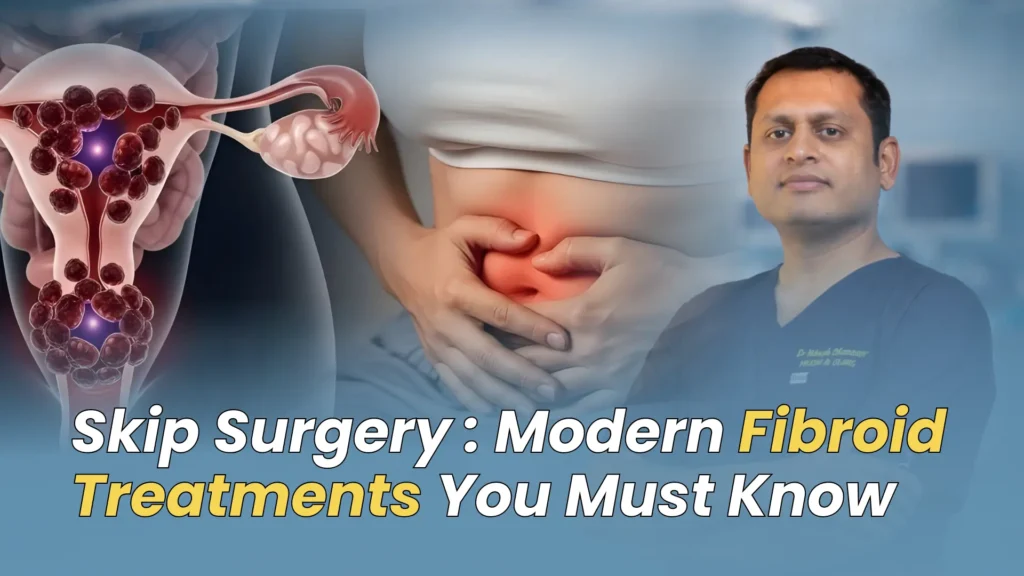
Uterine Fibroid Treatment Options in India Uterine fibroids are one of the most common non-cancerous tumors seen in women of reproductive age in India. Many women live with fibroids for years without symptoms, while others experience heavy menstrual bleeding, pelvic pain, pressure symptoms, anemia, infertility concerns, or reduced quality of life. The good news is that India offers multiple effective treatment options for uterine fibroids, ranging from medical management to advanced minimally invasive procedures and surgery. The right choice depends on symptoms, fibroid size and location, age, fertility goals, and overall health. Do All Uterine Fibroids Need Treatment? No. Many fibroids are small, asymptomatic, and discovered incidentally on ultrasound. These often only need regular monitoring. Treatment is usually recommended when fibroids cause: Heavy or prolonged menstrual bleeding Severe pelvic pain or pressure Frequent urination or bowel symptoms Anemia Infertility or pregnancy-related complications Rapid fibroid growth Medical Management of Uterine Fibroids 1. Medications Medical treatment is often the first step for women with mild symptoms. Common options include: Hormonal medications to control bleeding Pain relievers for cramps Drugs that temporarily shrink fibroids Limitations: Medications do not permanently remove fibroids. Symptoms often return once treatment is stopped, and fibroids may continue to grow over time. Minimally Invasive Non-Surgical Options in India 2. Uterine Fibroid Embolization Uterine fibroid embolization is a well-established interventional radiology procedure available at many tertiary hospitals in India. How it works: Tiny particles are injected into the uterine arteries to block blood supply to fibroids, causing them to shrink gradually. Advantages: No surgery or large incisions Uterus is preserved Treats multiple fibroids at once Short hospital stay Faster recovery compared to surgery Uterine fibroid embolization is particularly suitable for women who want to avoid hysterectomy or are not ideal surgical candidates. 3. Radiofrequency and Microwave Ablation Techniques In selected cases, fibroids can be treated using image-guided ablation techniques, where heat energy is used to destroy fibroid tissue. Key points: Minimally invasive Suitable for specific fibroid sizes and locations Faster recovery than surgery Availability varies across centers in India and careful patient selection is essential. Surgical Options for Uterine Fibroids in India 4. Myomectomy Myomectomy involves surgical removal of fibroids while preserving the uterus. Types include: Open myomectomy Laparoscopic myomectomy Robotic-assisted myomectomy Best suited for: Women planning future pregnancy Very Large fibroids causing severe symptoms Considerations: Requires anesthesia Longer recovery compared to non-surgical options Risk of fibroid recurrence over time   5. Hysterectomy Hysterectomy is the complete removal of the uterus and is a definitive solution for fibroids. Recommended when: Childbearing is complete Symptoms are severe Other treatments have failed Limitations: Major surgery Longer recovery Permanent loss of fertility Choosing the Right Fibroid Treatment in India India offers a wide range of fibroid treatment options, but the best choice is highly individualized. Factors that influence decision-making include: Age and desire for future pregnancy Severity of symptoms Number, size, and location of fibroids Overall health and surgical risk Preference for non-surgical treatment A consultation with both gynecologist and an interventional radiologist often helps patients understand all available options before deciding. Why Awareness About Non-Surgical Options Is Important Many women in India are still unaware that non-surgical treatments for fibroids exist. As a result, hysterectomy is sometimes offered as the first option, even when uterus-preserving treatments may be possible. With advances in interventional radiology, women now have more choices that balance symptom relief, safety, and quality of life. When Should You Seek Specialist Advice? You should consider consulting a specialist if: Fibroid symptoms are affecting daily life Medical treatment is no longer effective Surgery has been advised and you want to explore alternatives You wish to preserve your uterus Early evaluation allows access to a wider range of treatment options. About the Author Dr Vikash Chennur is the Founder and Medical Director of Vikash IR Clinic, Bangalore. He completed his MD Radiology at the prestigious All India Institute of Medical Sciences, New Delhi, where he was awarded the Gold Medal by Manmohan Singh in 2009 for being the best radiology postgraduate resident. Dr Chennur has completed fellowships in Vascular and Interventional Radiology from the University of Ottawa and Body (Abdominal) Imaging from the University of Calgary. He also holds FRANZCR and EBIR qualifications, reflecting extensive international expertise in interventional radiology.

Blog

Non Surgical Treatments Possible Through Interventional Radiology That Once Required Surgery

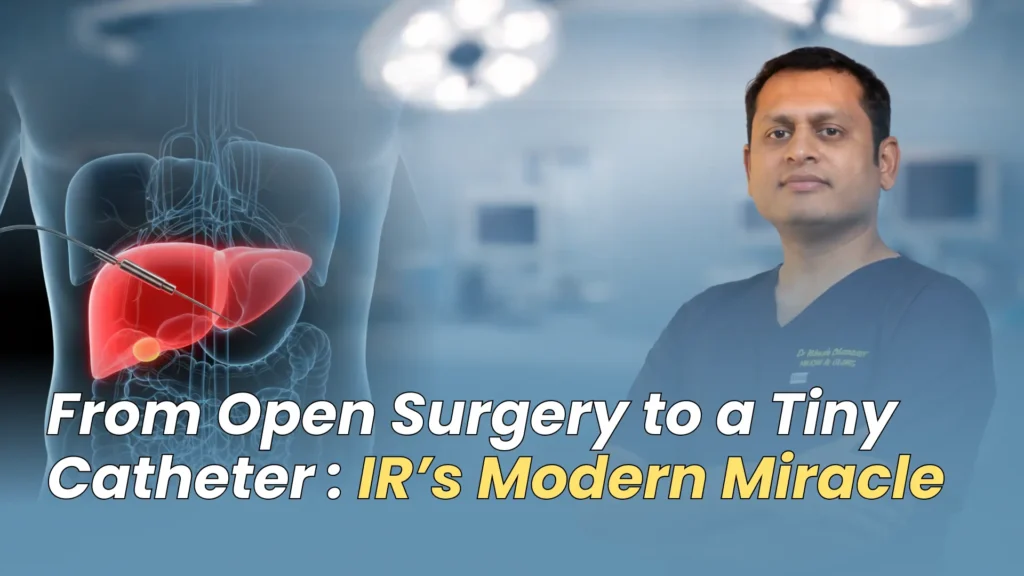
Non Surgical Treatments Possible Through Interventional Radiology That Once Required Surgery For decades, surgery was the default solution for many medical conditions—from blocked blood vessels to tumors, fibroids, and internal bleeding. Large incisions, general anesthesia, long hospital stays, and weeks of recovery were considered unavoidable. Today, interventional radiology has changed that reality. Using advanced imaging and minimally invasive techniques, interventional radiology allows doctors to treat many conditions without open surgery, often through a tiny pin-hole entry. These treatments deliver surgical-level results while reducing risk, pain, and recovery time for patients. What Makes Interventional Radiology Non Surgical Interventional radiology is a medical specialty that uses real-time imaging such as ultrasound, CT, and X-ray to guide needles, wires, and catheters inside the body to treat disease. Instead of cutting through tissue to reach a problem, interventional radiologists navigate internally, targeting the exact source of disease while preserving healthy structures. This approach has replaced or reduced the need for surgery in many conditions. Common Surgical Problems Now Treated Non Surgically 1. Blocked Arteries and Veins Previously surgical: Bypass surgery for blocked arteries. Interventional radiology option: Angioplasty and stenting. Using catheter-based techniques, interventional radiologists open narrowed or blocked blood vessels from inside the artery. This restores blood flow without chest or limb surgery, significantly reducing recovery time and complications. 2. Uterine Fibroids Previously surgical: Hysterectomy or myomectomy. Interventional radiology option: Uterine fibroid embolization. Through a small artery puncture, blood supply to fibroids is blocked, causing them to shrink over time. The uterus is preserved, and recovery is much faster than surgery. 3. Thyroid Nodules Previously surgical: Partial or total thyroid removal. Interventional radiology option: Thyroid nodule ablation. Benign thyroid nodules can be treated using radiofrequency or microwave ablation under ultrasound guidance, avoiding neck scars, hospital admission, and lifelong thyroid medication in many cases. 4. Thyroid Goitre and Selected Thyroid Conditions Previously surgical: Partial or total thyroid removal (thyroidectomy). Interventional radiology option: Thyroid artery embolisation. Thyroid artery embolisation is a minimally invasive, image-guided procedure used in selected patients with large symptomatic goitre, hypervascular benign thyroid nodules, recurrent goitre after surgery, and certain cases of hyperthyroidism. By selectively reducing the blood supply to the thyroid gland, the procedure helps shrink the gland and relieve pressure-related symptoms such as neck fullness, difficulty swallowing, or breathing discomfort. It can be particularly useful for patients in whom surgery carries a higher risk, while avoiding neck scars, major surgery, and prolonged hospital admission. 5. Tumors in Liver, Kidney, and Lung Previously surgical: Open or laparoscopic tumor removal or transplantation. Interventional radiology options: Tumor ablation Chemoembolization Radioembolization Interventional radiology allows targeted destruction of tumors while sparing healthy tissue, especially useful in patients who are not surgical candidates. 6. Internal Bleeding Previously surgical: Emergency exploratory surgery. Interventional radiology option: Emergency embolization. Using imaging guidance, interventional radiologists can locate and stop bleeding vessels quickly, often saving lives without surgery—especially in trauma and post-operative bleeding. 7. Gallbladder and Bile Duct Obstruction Previously surgical: Open drainage or bypass surgery. Interventional radiology option: Percutaneous biliary drainage and stenting. These procedures relieve jaundice and infection without major abdominal surgery, particularly in high-risk or cancer patients. 8. Kidney and Urinary Tract Blockage Previously surgical: Open urinary diversion procedures. Interventional radiology option: Nephrostomy and ureteric stenting. Urine flow is restored using image-guided tubes or stents, often as a temporary or long-term solution without surgery. 9. Chronic Pain Conditions Previously surgical: Spine or nerve surgeries in selected cases. Interventional radiology option: Image-guided nerve blocks and injections. Targeted pain relief can be achieved with precision, often avoiding unnecessary surgical intervention. Why is Interventional Radiology Reducing the Need for Surgery in Many Cases The success of interventional radiology lies in its advantages: No large incisions Local anesthesia or light sedation Short hospital stays or same-day discharge Faster recovery Lower infection risk Reduced pain and scarring Safer for elderly or medically fragile patients In many scenarios, interventional radiology offers outcomes comparable to surgery with significantly less physical stress on the body. Interventional Radiology and Surgery Work Together It is important to understand that interventional radiology does not replace surgery entirely. Instead, it expands treatment options. In modern healthcare, surgeons and interventional radiologists collaborate closely to determine: Whether a non surgical interventional radiology approach is possible When surgery is truly necessary How both approaches can complement each other for optimal outcomes When Should Patients Ask About Interventional Radiology Patients should consider asking about interventional radiology if: Surgery has been recommended They are high-risk for anesthesia or surgery Faster recovery is important A minimally invasive option is preferred In many cases, a non surgical alternative may exist that patients are not initially aware of. The Future of Non Surgical Treatment As technology advances, interventional radiology continues to expand its role in treating complex conditions without surgery. Precision, safety, and patient comfort are at the center of this evolution. For patients, this means more choices, better recovery, and effective treatment without the burden of major surgery. About the Author Dr Vikash Chennur is the Founder and Medical Director of Vikash IR Clinic, Bangalore. He completed his MD Radiology at the prestigious All India Institute of Medical Sciences, New Delhi, where he was awarded the Gold Medal by Manmohan Singh in 2009 for being the best radiology postgraduate resident. Dr Chennur has completed fellowships in Vascular and Interventional Radiology from the University of Ottawa and Body (Abdominal) Imaging from the University of Calgary. He also holds FRANZCR and EBIR qualifications, reflecting extensive international expertise in interventional radiology.

Blog

Uterine Fibroid Treatment Without Surgery

Uterine Fibroid Treatment Without Surgery Uterine fibroids are one of the common gynecological conditions affecting women, especially between the ages of 30 and 50. While many fibroids remain small and harmless, some can cause significant symptoms such as heavy menstrual bleeding, pelvic pain, bloating, frequent urination, or anemia that affects daily life. Traditionally, surgical options such as myomectomy or hysterectomy were considered the main treatment options for symptomatic fibroids. Today, uterine fibroid embolization (UFE), performed by specialists in interventional radiology, offers a minimally invasive, non-surgical alternative that treats fibroids effectively while preserving the uterus. What Is Uterine Fibroid Embolization Uterine fibroid embolization is an image-guided interventional radiology procedure used to treat symptomatic uterine fibroids by cutting off their blood supply. Fibroids depend on blood flow to grow and survive. During UFE, tiny particles are injected into the blood vessels supplying the fibroids. This blocks their blood flow, causing the fibroids to shrink gradually over time and leading to relief from symptoms. Importantly, the uterus itself continues to receive blood from other vessels, allowing it to remain healthy. Who Is a Good Candidate for Uterine Fibroid Embolization UFE is commonly recommended for women who: Have symptomatic uterine fibroids Experience heavy or prolonged menstrual bleeding Have pelvic pain, pressure, or bulk-related symptoms Want to avoid surgery or hysterectomy Wish to preserve the uterus Are not ideal candidates for major surgery due to medical conditions UFE is generally used for uterinefibroids. A proper evaluation, including imaging and gynecological assessment, is essential before deciding on treatment. How Uterine Fibroid Embolization Is Performed Uterine fibroid embolization is typically performed by an interventional radiologist as a day-care or short hospital stay procedure The procedure involves the following steps: A small puncture is made in the groin or wrist under local anesthesia. Using live X-ray imaging, a thin catheter is guided into the uterine arteries. Embolization particles are injected to block blood flow to the fibroids. Once blood supply is reduced, the catheter is removed and the access site is closed. The procedure usually takes 60 to 90 minutes. Recovery After Uterine Fibroid Embolization After UFE, most patients experience a period of cramping and discomfort, known as post-embolization syndrome, which is managed with medications. Typical recovery includes: Hospital observation for pain control Return to normal routine activities within a few days Gradual improvement in symptoms over weeks to months Fibroids continue to shrink over time, with most women noticing significant improvement in bleeding and pressure symptoms within the first 3 months. Benefits of Uterine Fibroid Embolization Compared to surgery, uterine fibroid embolization offers several advantages: No large surgical incision No removal of the uterus Shorter hospital stay Faster recovery Lower risk of complications Effective relief from heavy bleeding and pain Treatment of multiple fibroids at the same time For many women, UFE provides symptom relief while maintaining bodily integrity and avoiding major surgery. Uterine Fibroid Embolization vs Surgery Surgery may still be required in some cases, particularly when cancer is suspected, or when fertility planning requires a specific surgical approach. However, UFE is often preferred when: Multiple fibroids are present The patient wants to avoid hysterectomy Recovery time needs to be minimized A minimally invasive approach is desired Unlike Myomectomy, embolization treats all fibroids simultaneously, including those that may not yet be causing symptoms. Is Uterine Fibroid Embolization Safe When performed by experienced interventional radiologists, uterine fibroid embolization is considered safe and effective. Major complications are uncommon. Possible risks include: Temporary pain or fever after the procedure Infection (rare) Early menopause in a small percentage of older patients Careful patient selection and proper follow-up significantly reduce these risks. Is Uterine Fibroid Embolization Right for You If uterine fibroids are affecting your quality of life and you are looking for a treatment that avoids surgery, UFE may be an excellent option. A consultation involving imaging, gynecological evaluation, and discussion of personal goals helps determine the most suitable treatment approach. About the Author Dr Vikash Chennur is the Founder and Medical Director of Vikash IR Clinic, Bangalore. He completed his MD Radiology at the prestigious All India Institute of Medical Sciences, New Delhi, where he was awarded the Gold Medal by Manmohan Singh in 2009 for being the best radiology postgraduate resident. Dr Chennur has completed fellowships in Vascular and Interventional Radiology from the University of Ottawa and Body (Abdominal) Imaging from the University of Calgary. He also holds FRANZCR and EBIR qualifications, reflecting extensive international expertise in interventional radiology.

Blog

Thyroid Nodule Ablation: A Modern, Non-Surgical Treatment Option

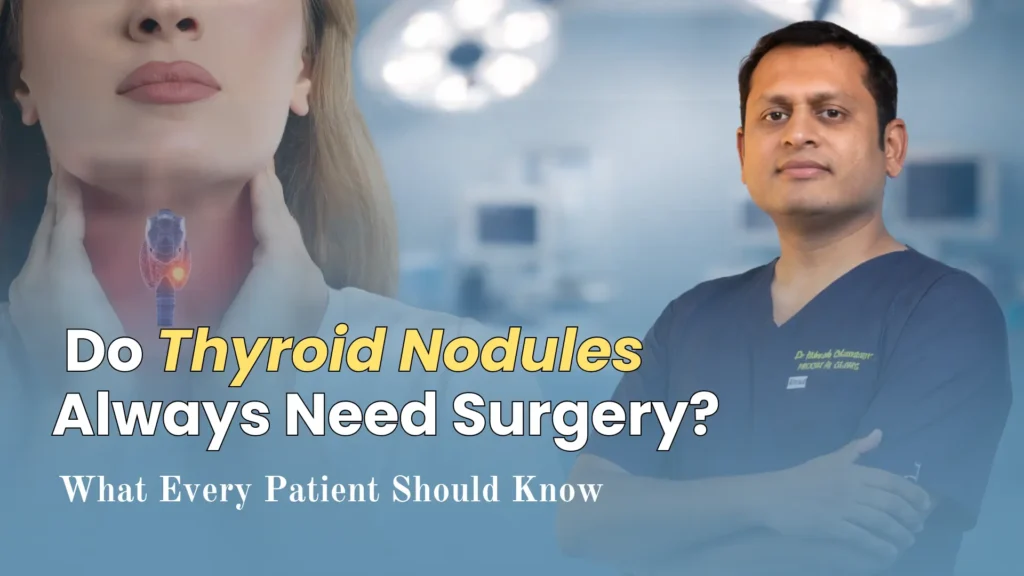
Thyroid Nodule Ablation: A Modern, Non-Surgical Treatment Option Thyroid nodules are extremely common. Many people discover them incidentally during a health check-up or imaging done for another reason. While most thyroid nodules are benign and harmless, some can grow large enough to cause symptoms like neck swelling, difficulty swallowing, voice changes, or cosmetic concerns. Traditionally, surgery was the main treatment option for symptomatic thyroid nodules. Today, thyroid nodule ablation offers a minimally invasive, non-surgical alternative for selected patients—providing effective results without scars, hospital stays, or removal of the thyroid gland. What Is Thyroid Nodule Ablation? Thyroid nodule ablation is a minimally invasive, image-guided procedure used to shrink benign thyroid nodules without surgery. Instead of removing the nodule, heat or other energy is applied directly to destroy abnormal tissue, which is then gradually absorbed by the body over time. The most commonly used ablation techniques include: Radiofrequency Ablation (RFA) Microwave Ablation (MWA) Ethanol Ablation (mainly for cystic nodules) Laser Ablation These procedures are performed under ultrasound guidance, ensuring precision and safety. Who Is a Candidate for Thyroid Nodule Ablation? Thyroid nodule ablation is typically recommended for patients who have: Benign thyroid nodules confirmed by biopsy Nodules causing pressure symptoms like difficulty swallowing or breathing Visible neck swelling or cosmetic concerns Nodules that continue to grow over time Normal or near-normal thyroid hormone levels A preference to avoid surgery or lifelong thyroid medication It is important to note that thyroid nodule ablation is not used for most thyroid cancers. Proper evaluation and diagnosis are essential before considering this treatment. How Thyroid Nodule Ablation Is Performed The procedure is usually done as a day-care treatment and does not require general anesthesia. Here’s how it typically works: The patient lies comfortably while the neck area is cleaned and numbed with local anesthesia. Using real-time ultrasound guidance, a thin probe is inserted directly into the thyroid nodule. Controlled energy (radiofrequency, microwave, or laser) is delivered to heat and destroy the nodule. The probe is repositioned carefully to treat the entire nodule while protecting nearby structures such as nerves and blood vessels. The probe is removed, and the patient is observed for a short period before going home. The entire procedue usually takes 30 to 60 minutes. How Interventional Radiology Procedures Are Performed Most interventional radiology procedures follow a similar process: Imaging guidance is used to precisely locate the problem. A tiny skin puncture is made, usually in the arm, groin, or directly over the target area. Catheters or needles are guided through blood vessels or tissues using live imaging. The condition is treated—by opening a blockage, stopping bleeding, destroying abnormal tissue, or delivering targeted therapy. The puncture site is closed, often without stitches. Because the trauma to the body is minimal, patients usually experience less pain and fewer complications. What Happens After Ablation? After thyroid nodule ablation: Most patients go home the same day Mild neck discomfort or swelling may occur but usually resolves quickly Normal activities can often be resumed within 24–48 hours The treated nodule gradually shrinks over weeks to months Studies show that nodules typically reduce in size by 50–80% or more over time, leading to significant improvement in symptoms and appearance. Benefits of Thyroid Nodule Ablation Compared to surgery, thyroid nodule ablation offers several advantages: No surgical incision or visible scar No removal of the thyroid gland Minimal pain and faster recovery Very low risk of complications No need for lifelong thyroid hormone replacement in most patients Can be repeated if needed For many patients, ablation provides symptom relief while preserving normal thyroid function. Thyroid Nodule Ablation vs Surgery Surgery may still be necessary in certain situations, especially when cancer is suspected or confirmed. However, thyroid nodule ablation is often preferred when: The nodule is benign Symptoms are mild to moderate The patient wants to avoid surgery There is a concern about surgical scars or anesthesia risks Unlike surgery, ablation does not remove the entire nodule at once. Instead, it shrinks the nodule gradually, which is usually sufficient to relieve symptoms. Is Thyroid Nodule Ablation Safe? When performed by experienced specialists, thyroid nodule ablation is considered safe and effective. Complications are uncommon but may include: Temporary voice changes Mild pain or bruising Rare injury to nearby nerves Careful patient selection, ultrasound guidance, and operator expertise are key to minimizing risks. Is Thyroid Nodule Ablation Right for You? If you have been diagnosed with a benign thyroid nodule and are experiencing symptoms—or are concerned about surgery—it is worth discussing minimally invasive options with your doctor. A detailed evaluation including ultrasound, biopsy, and thyroid function tests helps determine whether ablation is suitable. About the Author Dr Vikash Chennur is the Founder and Medical Director of Vikash IR Clinic, Bangalore. He completed his MD Radiology at the prestigious All India Institute of Medical Sciences, New Delhi, where he was awarded the Gold Medal by Manmohan Singh in 2009 for being the best radiology postgraduate resident. Dr Chennur has completed fellowships in Vascular and Interventional Radiology from the University of Ottawa and Body (Abdominal) Imaging from the University of Calgary. He also holds FRANZCR and EBIR qualifications, reflecting extensive international expertise in interventional radiology.

Blog

Interventional Radiology Explained: Modern Treatment Without Major Surgery

Interventional Radiology Explained: Modern Treatment Without Major Surgery Medicine has changed dramatically over the last few decades. Treatments that once required large surgical cuts, long hospital stays, and weeks of recovery can now be done through a tiny skin puncture. One of the biggest drivers of this shift is Interventional Radiology (IR). Interventional radiology combines advanced medical imaging with minimally invasive procedures to diagnose and treat a wide range of conditions—often without the need for open surgery. For patients, this means less pain, faster recovery, and safer outcomes. What Is Interventional Radiology? Interventional radiology is a medical specialty where doctors use real-time imaging—such as X-ray, ultrasound, CT scan, or MRI—to guide thin instruments like needles, wires, and catheters inside the body to treat disease. Instead of making large incisions, interventional radiologists work through a small pin-hole entry, usually just a few millimeters wide. These procedures are highly precise and target the affected area directly, while sparing surrounding healthy tissue. Simply put, interventional radiology turns imaging into treatment, not just diagnosis. Who Is an Interventional Radiologist? An interventional radiologist is a specially trained doctor who combines deep knowledge of imaging with hands-on procedural expertise. They are involved in planning, performing, and managing minimally invasive treatments across multiple organ systems. Unlike traditional surgery, most interventional radiology procedures are performed under local anesthesia +/- mild sedation, making them safer for elderly patients and those with other medical conditions. Common Conditions Treated With Interventional Radiology in India Interventional radiology is increasingly used in India to treat a wide range of conditions without major surgery. Some important and commonly performed interventional radiology procedures include: Uterine Fibroid Embolization (UFE)A non-surgical treatment for uterine fibroids that blocks the blood supply to the fibroids, causing them to shrink. UFE is an effective alternative to hysterectomy for many women who wish to preserve their uterus. Thyroid AblationImage-guided ablation is used to treat benign thyroid nodules without open surgery. It helps reduce nodule size and symptoms while preserving normal thyroid tissue. Thyroid Artery EmbolizationA minimally invasive procedure used in selected patients with symptomatic goitre and other thyroid conditions to reduce blood flow to the thyroid gland, leading to reduction in goitre size and improvement in symptoms. This option may be considered even in patients who are at high risk for conventional surgery Varicocele Embolization A non-surgical treatment for varicocele, commonly performed in men with infertility or testicular pain. The abnormal veins are blocked using catheters, improving symptoms with minimal downtime. Varicose Vein Treatment Interventional radiology offers minimally invasive treatments for varicose veins using image guidance, helping relieve pain, swelling, and skin changes without open surgery. Prostate Artery Embolization (PAE) A non-surgical treatment option for benign prostatic enlargement (BPH). PAE reduces prostate size by decreasing blood supply, improving urinary symptoms without prostate surgery. Genicular Artery Embolization (GAE) A minimally invasive option for patients with knee osteoarthritis-related pain. By reducing abnormal blood flow and inflammation, GAE helps decrease chronic knee pain without joint replacement surgery. Musculoskeletal (MSK) Embolization Used to treat chronic musculoskeletal pain conditions such as tendonitis and joint inflammation by targeting abnormal blood vessels responsible for pain. Liver Cancer Treatment Interventional radiology plays a major role in liver cancer care through procedures like tumor ablation and transarterial embolization therapies that directly target cancer while sparing healthy liver tissue. These treatments allow patients to avoid major surgery, reduce hospital stay, and recover faster, making interventional radiology an important part of modern healthcare in India. How Interventional Radiology Procedures Are Performed Most interventional radiology procedures follow a similar process: Imaging guidance is used to precisely locate the problem. A tiny skin puncture is made, usually in the arm, groin, or directly over the target area. Catheters or needles are guided through blood vessels or tissues using live imaging. The condition is treated—by opening a blockage, stopping bleeding, destroying abnormal tissue, or delivering targeted therapy. The puncture site is closed, often without stitches. Because the trauma to the body is minimal, patients usually experience less pain and fewer complications. Benefits of Interventional Radiology The biggest advantage of interventional radiology is that it achieves results similar to surgery—without the surgical burden. Key benefits include: Smaller incisions or no incisions at all Lower risk of infection and complications Shorter hospital stay, often same-day discharge Faster recovery and return to normal activities Reduced pain and scarring Safer option for high-risk or elderly patients For many patients, interventional radiology offers a better balance between effectiveness and safety. Interventional Radiology vs Traditional Surgery While surgery is still essential in many situations, interventional radiology is often preferred when: The condition can be accessed through blood vessels or image guidance Faster recovery is a priority Precision treatment is required with minimal tissue damage The patient is unfit for major surgery In many modern hospitals, interventional radiologists work closely with surgeons and physicians, choosing the best approach for each patient rather than replacing surgery entirely. Why Interventional Radiology Is Growing Rapidly in India With increasing access to advanced imaging, trained specialists, and modern cath labs, interventional radiology is growing rapidly across India. Today, IR plays a key role in emergency care, cancer treatment, vascular diseases, and chronic pain management. As awareness improves, more patients are benefiting from safer, minimally invasive treatments. When Should You Consider Interventional Radiology? If you or a loved one has been advised surgery, it is often worth asking: Is there a minimally invasive interventional radiology option? In many cases, interventional radiology can either replace surgery or significantly reduce its complexity. About the Author Dr Vikash Chennur is the Founder and Medical Director of Vikash IR Clinic, Bangalore. He completed his MD Radiology at the prestigious All India Institute of Medical Sciences, New Delhi, where he was awarded the Gold Medal by Manmohan Singh in 2009 for being the best radiology postgraduate resident. Dr Chennur has completed fellowships in Vascular and Interventional Radiology from the University of Ottawa and Body (Abdominal) Imaging from the University of Calgary. He also holds FRANZCR and EBIR qualifications, reflecting extensive international

Blog

Thyroid Ablation vs Thyroid Embolization: Which Is Right for You?

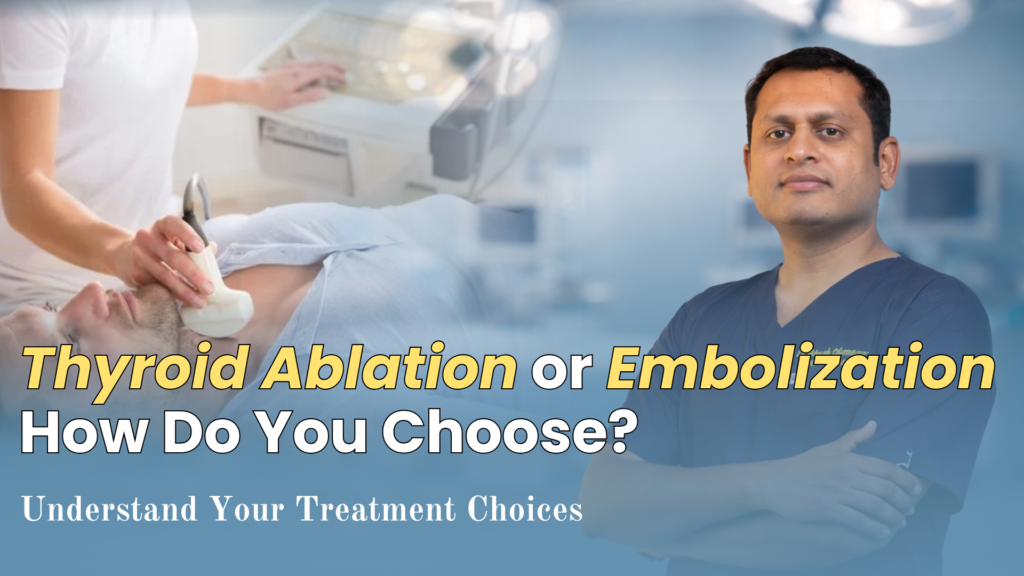
Thyroid Ablation vs Thyroid Embolization: Which Is Right for You? Being diagnosed with a thyroid nodule can be worrying. Many patients are immediately told that surgery is the only solution, which often raises concerns about neck scars, hospital stay, lifelong thyroid medication, and possible complications. What many people do not realise is that most thyroid nodules are benign and do not always need surgery. Today, modern minimally invasive treatments can reduce thyroid nodules without removing the thyroid gland—depending on the size of the nodule, its blood supply, and the symptoms it causes. Two such treatments are thyroid ablation and thyroid embolization. While both aim to reduce thyroid nodules without surgery, they work in different ways and are suited to different patients. Understanding these options helps patients make informed decisions and avoid unnecessary surgery when possible. What Is a Thyroid Nodule? The thyroid is a small gland located at the front of the neck. A thyroid nodule is a lump that forms within this gland. Many people have thyroid nodules without any symptoms and may never realise they have one. Some nodules remain small and harmless, while others may grow and cause: A visible swelling in the neck A feeling of pressure or tightness Difficulty swallowing Cosmetic concerns Changes in energy levels in some individuals Importantly, most thyroid nodules are not cancerous. What Is Thyroid Ablation? Thyroid ablation is a non-surgical treatment used to reduce the size of a benign thyroid nodule. Under ultrasound guidance, a thin needle is inserted directly into the nodule. Controlled heat is then applied from within the nodule to treat it. There is no surgical cut, and the thyroid gland itself is preserved. Over time, the treated nodule gradually shrinks, relieving symptoms such as swelling, pressure, or discomfort. Recovery is usually quick, with minimal pain. Benefits of Thyroid Ablation Thyroid ablation offers several advantages for suitable patients: No surgery and no neck scar Day-care procedure with short hospital stay Preserves normal thyroid tissue Very low risk of hypothyroidism Quick recovery and early return to daily activities Effective reduction in nodule size and symptoms Improvement in cosmetic appearance and pressure symptoms For many patients, thyroid ablation helps avoid lifelong thyroid hormone medication. Limitations and Possible Side Effects of Thyroid Ablation Although safe and effective, thyroid ablation may not be suitable for everyone: Very large nodules may not shrink sufficiently with ablation alone Nodules with very high blood supply may respond less effectively Mild pain, tenderness, or swelling may occur for a few days after the procedure Thyroid ablation is not recommended if cancer is suspected Who Is Thyroid Ablation Best Suited For? Thyroid ablation is usually considered when: The nodule is benign (confirmed by biopsy) The nodule is solid or predominantly solid There are pressure symptoms (difficulty swallowing, neck discomfort) There is visible neck swelling causing cosmetic concern Thyroid hormone levels are normal The patient wishes to avoid surgery It is an excellent option for patients seeking thyroid nodule treatment without surgery. What Is Thyroid Embolization? Thyroid embolization, also called Thyroid Artery Embolization (TAE), is another minimally invasive treatment. Instead of treating the nodule directly, this procedure works by reducing the blood supply to the thyroid nodule or gland. When blood flow is reduced, the nodule gradually shrinks over time. This technique is particularly useful for large nodules or enlarged thyroid glands (goiter). Benefits of Thyroid Embolization Thyroid embolization may be preferred because: It can reduce large thyroid swellings It avoids surgery and neck scars It is useful for highly vascular nodules It can help control symptoms related to hormone overactivity Limitations and Possible Side Effects of Thyroid Embolization Possible risks include: Short-term neck pain or discomfort Temporary changes in thyroid hormone levels Slightly higher chance of needing thyroid medication later compared to ablation Rare risks such as bleeding, infection, nerve injury, or stroke (uncommon) Most patients recover well without serious complications. Thyroid Ablation vs Thyroid Embolization: Key Differences Feature Thyroid Ablation Thyroid Embolization How it works Heat destroys the nodule Blood supply to nodule/gland is blocked Target Individual thyroid nodule Nodule or larger thyroid area Best suited for Small–medium benign solid nodules Large or highly vascular nodules / goiter Precision Very high Moderate Effect on hormones Minimal Hormone levels may fluctuate Risk of hypothyroidism Very low Slightly higher Role in hyperthyroidism Limited Very useful Neck scar None None Recovery time 1–2 days 2–3 days Preferred when Cosmetic or pressure symptoms Large size, vascularity, or high surgical risk How Is the Right Treatment Chosen? There is no single treatment that suits everyone. The best option is decided after careful evaluation of: Size of the thyroid nodule Growth over time Symptoms such as pressure, swallowing difficulty, or cosmetic concerns Blood supply to the nodule Thyroid hormone levels Age, overall health, and patient preference Radiofrequency ablation (RFA) is usually ideal for patients with a single, benign thyroid nodule.Thyroid embolization is better suited for patients with multiple nodules, very large nodules, or goiter. The goal is always to relieve symptoms while preserving normal thyroid function. When Is Surgery Still Needed? Despite advanced non-surgical options, surgery remains necessary when: Thyroid cancer is suspected or confirmed Very large goiters cause airway compression Multiple nodules cause severe symptoms The patient prefers surgery after counselling What Should You Do Next? If you have a benign thyroid nodule or thyroid enlargement, it is important to know that surgery is not the only option. Thyroid ablation and thyroid embolization have helped many patients manage these without removing the thyroid gland. The next step is to consult a specialist who can review your scans, biopsy reports, and symptoms and guide you toward the most appropriate treatment for your condition. About the Author Dr Vikash Chennur is the Founder and Medical Director of Vikash IR Clinic, Bangalore. He completed his MD Radiology at the prestigious All India Institute of Medical Sciences, New Delhi, where he was awarded the Gold Medal by Manmohan Singh in 2009 for being the best radiology postgraduate resident. Dr Chennur has completed fellowships

Scroll to Top