
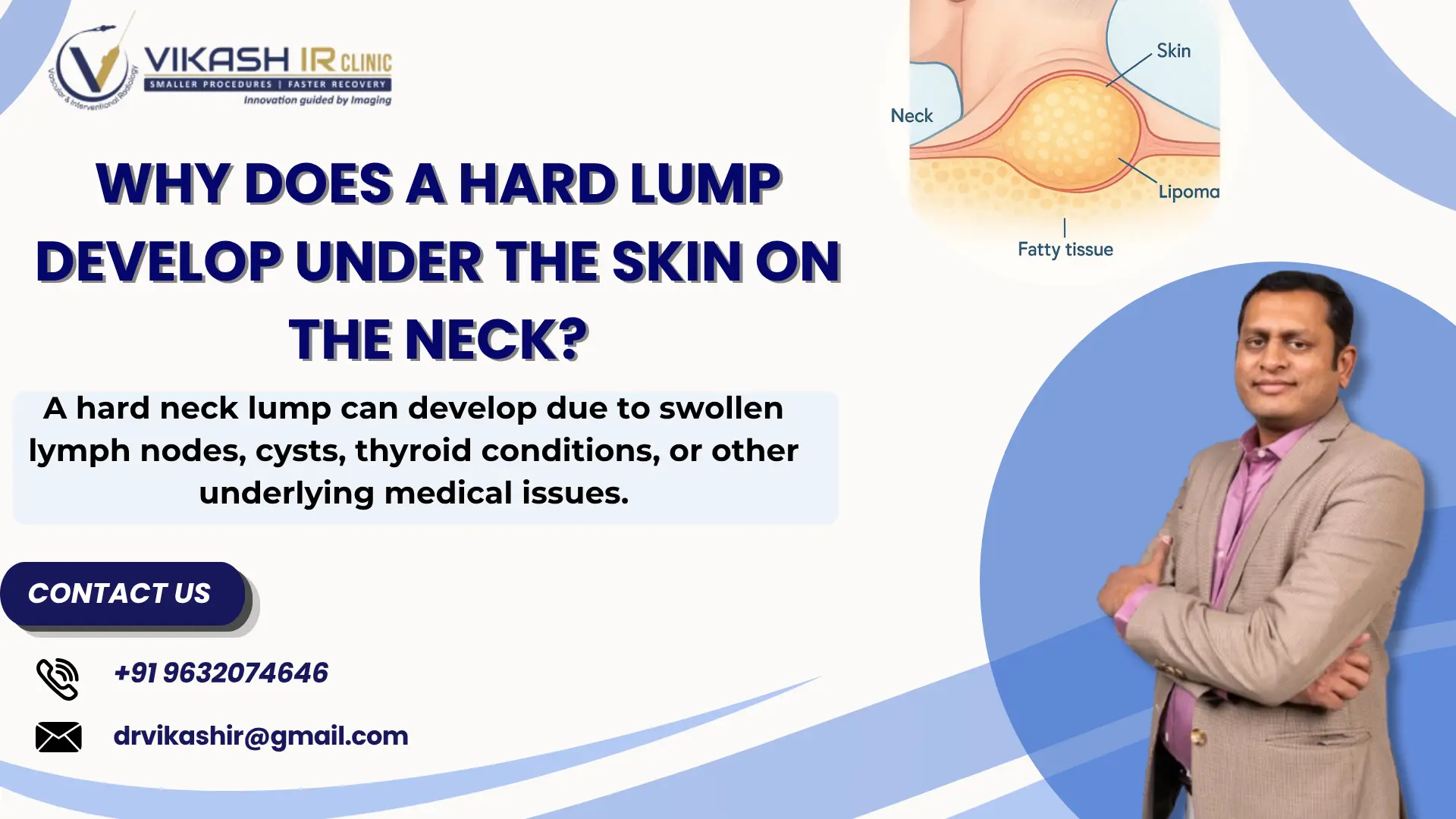
Hard Lump Under Neck Skin: Causes & Treatment
Hard Lump Under Neck Skin: Causes & Treatment is an important topic because early diagnosis can help identify the exact cause and prevent unnecessary complications.
Finding a Hard Lump Under Neck Skin can be concerning, especially when it appears suddenly or remains for a long time. Many people immediately worry about serious health conditions, but not every neck lump is dangerous. A lump under the skin of the neck can develop due to several reasons, including swollen lymph nodes, cysts, infections, thyroid-related conditions, benign growths, or, in rare cases, cancerous changes.
Understanding the possible Neck Lump Causes and getting an accurate medical evaluation at the right time can help in early diagnosis and effective treatment. The neck contains many important structures, including lymph nodes, thyroid gland, salivary glands, muscles, blood vessels, and soft tissues. Any abnormal change in these areas can result in a visible or palpable lump.
A Hard Lump Under Neck Skin: Causes & Treatment depends on factors such as the location, size, growth pattern, associated symptoms, and underlying condition. Some lumps may disappear with simple treatment, while others may require advanced procedures or specialist care.
If you notice a persistent, growing, painful, or unusual lump in your neck, consulting an experienced specialist like Dr Vikash Chennur | AIIMS Gold Medalist | Best Endovascular Interventional Radiologist can help determine the exact cause and provide the most suitable treatment approach.
Symptoms Associated With a Hard Lump Under Neck Skin
Understanding Hard Lump Under Neck Skin: Causes & Treatment helps patients recognize warning signs early and seek timely medical care.
A Hard Lump Under Neck Skin may appear with different symptoms depending on its cause. Some common signs include:
Common Symptoms
- A firm or hard swelling under the skin of the neck
- A lump that remains unchanged for several weeks
- Gradual increase in lump size
- Pain or tenderness around the affected area
- Difficulty swallowing or discomfort while eating
- Changes in voice
- Neck stiffness or pressure sensation
- Fever or signs of infection
- Unexplained weight loss or fatigue in some cases
Some neck lumps are painless and may only be noticed while touching the neck or during routine activities. A painless lump that continues growing should always be evaluated by a healthcare professional.
The location of the lump can also provide important clues. For example, lumps below the jaw may relate to lymph nodes or salivary glands, while lumps in the front of the neck may involve thyroid-related conditions.
Neck Lump Causes: Why Does a Hard Lump Develop Under the Skin?
There are multiple Neck Lump Causes, ranging from harmless conditions to problems requiring medical attention.
1. Swollen Lymph Nodes
Lymph nodes are small immune system structures that help the body fight infections. When your body responds to an infection, lymph nodes can become enlarged and feel like a lump.
Common triggers include:
- Cold and flu infections
- Throat infections
- Tonsillitis
- Dental infections
- Skin infections
Usually, these lumps reduce in size after the infection improves. However, persistent or unusually hard lymph nodes need proper evaluation.
2. Thyroid Nodules
The thyroid gland is located in the front part of the neck. Abnormal growths inside the thyroid, called thyroid nodules, may sometimes appear as a neck lump.
Most thyroid nodules are benign, but evaluation is important to rule out serious conditions. Doctors may recommend ultrasound, blood tests, or biopsy depending on the findings.
3. Epidermoid or Sebaceous Cysts
A cyst is a fluid-filled or semi-solid sac that develops under the skin. Epidermoid cysts can occur anywhere, including the neck.
They may appear as:
- Round, smooth lumps
- Slow-growing swellings
- Painless bumps
If infected, they can become red, painful, and swollen.
4. Lipoma (Fatty Tissue Growth)
A lipoma is a benign growth made of fat cells. It usually feels soft and moves slightly under the skin.
Although lipomas are generally harmless, large or rapidly growing lumps should be checked by a doctor.
5. Salivary Gland Problems
The neck contains salivary glands that help with digestion. Blockages, infections, or growths affecting these glands may cause swelling or lumps around the jaw and neck area.
6. Infections
Certain bacterial or viral infections can cause temporary neck swelling. These may be associated with:
- Fever
- Pain
- Redness
- General weakness
7. Rare but Serious Causes
In some cases, a hard neck lump may be related to:
- Abnormal tissue growth
- Lymphoma
- Head and neck cancers
- Metastatic disease
This does not mean every lump indicates cancer. However, early medical assessment helps identify the exact cause and improves treatment outcomes.
Every patient is different, and Hard Lump Under Neck Skin: Causes & Treatment should always begin with a proper medical evaluation to identify the underlying cause.
Diagnosis of Hard Lump Under Neck Skin
Doctors use a systematic approach for Hard Lump Under Neck Skin: Causes & Treatment to ensure an accurate diagnosis and personalized treatment plan.
Accurate diagnosis is the first step in effective Hard Lump Under Neck Skin: Causes & Treatment planning. A specialist evaluates the lump based on medical history, physical examination, and advanced diagnostic tests.
Physical Examination
The doctor checks:
- Lump size
- Location
- Texture (soft or hard)
- Mobility
- Tenderness
- Duration of presence
These details help narrow down possible causes.
Ultrasound Examination
Neck ultrasound is a commonly used, painless imaging test that helps examine:
- Thyroid nodules
- Lymph nodes
- Cysts
- Soft tissue masses
It provides detailed information about the structure of the lump.
Blood Tests
Blood investigations may be recommended to check:
- Thyroid function
- Signs of infection
- Inflammatory markers
Fine Needle Aspiration Cytology (FNAC)
FNAC involves collecting a small sample of cells from the lump using a thin needle. It helps determine whether the growth is benign or requires further management.
CT or MRI Scan
Advanced imaging may be suggested when the lump is deep, large, or requires detailed evaluation of surrounding structures.
Early diagnosis plays an important role in choosing the safest and most effective treatment option.
Treatment Options for Hard Lump Under Neck Skin
The treatment for a Hard Lump Under Neck Skin: Causes & Treatment depends completely on the underlying reason behind the lump. After proper diagnosis, doctors create an individualized treatment plan based on the size, location, symptoms, and medical condition.
Modern healthcare has significantly improved Hard Lump Under Neck Skin: Causes & Treatment, allowing many patients to benefit from minimally invasive procedures with faster recovery.
1. Medication and Monitoring
If the lump is caused by an infection, swollen lymph nodes, or inflammation, treatment may include:
- Antibiotics for bacterial infections
- Anti-inflammatory medicines
- Supportive care and observation
In many cases, small benign lumps may only require regular monitoring to check whether they change in size or appearance.
2. Minimally Invasive Procedures
For certain neck lumps, minimally invasive techniques can provide effective treatment with less discomfort and faster recovery compared to traditional surgery.
Advanced procedures may include:
- Image-guided needle procedures
- Drainage of cysts or fluid collections
- Targeted interventions based on imaging findings
These approaches help reduce unnecessary surgical intervention when appropriate.
3. Surgical Removal
Some lumps may require surgical removal, especially when they:
- Continue growing
- Cause discomfort
- Affect swallowing or breathing
- Have suspicious features
Surgery may be recommended for conditions such as large cysts, certain benign tumors, or abnormal growths.
4. Advanced Interventional Radiology Procedures
Modern interventional radiology provides minimally invasive solutions using advanced imaging guidance. These procedures involve small incisions and precise treatment targeting.
As an experienced Endovascular Interventional Radiologist, Dr Vikash Chennur provides advanced image-guided procedures for various vascular and non-vascular conditions, helping patients receive effective treatment with reduced recovery time.
Benefits of Early Diagnosis and Proper Treatment
Getting timely evaluation for a Hard Lump Under Neck Skin offers several important benefits:
Early Identification of the Cause
A detailed examination helps determine whether the lump is due to a harmless condition or requires further medical attention.
Better Treatment Planning
Once the exact cause is identified, doctors can recommend the most suitable treatment option instead of unnecessary procedures.
Reduced Risk of Complications
Early management can prevent problems such as:
- Increase in lump size
- Infection
- Pain and discomfort
- Pressure on nearby structures
Faster Recovery
When treated at the right stage, many neck lump conditions can be managed effectively with shorter recovery periods.
Recovery After Treatment for Neck Lump
Recovery depends on the type of condition and treatment approach used.
After Medication Treatment
Patients treated for infection-related lumps may improve within days to weeks after proper medication. Follow-up may be advised to ensure the swelling has reduced.
After Minimally Invasive Procedures
Recovery is usually quicker because these procedures involve:
- Smaller incisions
- Less tissue damage
- Reduced pain
- Shorter hospital stay
Patients can often return to normal activities sooner compared to major surgery.
After Surgical Treatment
Recovery after surgery varies depending on the complexity of the procedure. Doctors may provide instructions regarding:
- Wound care
- Activity restrictions
- Follow-up visits
- Medication use
Regular monitoring helps ensure proper healing and prevents recurrence.
Hard Lump Under Neck Skin: Causes & Treatment Comparison
| Treatment Approach | Suitable For | Recovery |
| Medication | Infection-related swelling and inflammation | Short recovery period |
| Observation | Small harmless lumps | Regular monitoring |
| Minimally invasive procedures | Selected cysts and targeted conditions | Faster recovery |
| Surgery | Large, complicated, or suspicious lumps | Longer recovery depending on procedure |
The best treatment option depends on accurate diagnosis rather than the appearance of the lump alone.
Hard Lump Under Neck Skin Causes & Treatment
About Dr Vikash Chennur
Dr Vikash Chennur is an AIIMS Gold Medalist and one of the experienced specialists in the field of Endovascular Interventional Radiology. He focuses on providing advanced, minimally invasive treatment solutions using modern imaging-guided techniques.
With expertise in diagnosing and treating complex vascular and non-vascular conditions, Dr Vikash Chennur follows a patient-centered approach focused on accurate diagnosis, advanced technology, and improved outcomes.
His services include:
- Interventional Radiology procedures
- Vascular interventions
- Varicose vein treatment
- Varicocele embolization
- Uterine Fibroid Embolization (UFE)
- Prostate Artery Embolization (PAE)
- Liver tumor interventions
- Image-guided minimally invasive procedures
Patients looking for expert evaluation of a Hard Lump Under Neck Skin can consult Dr Vikash Chennur for proper diagnosis and personalized treatment guidance.
Frequently Asked Questions (FAQs)
1. Is every Hard Lump Under Neck Skin dangerous?
No, every neck lump is not dangerous. Many lumps occur due to infections, cysts, or benign growths. However, persistent or growing lumps should be evaluated by a specialist.
2. What are the most common Neck Lump Causes?
Common Neck Lump Causes include swollen lymph nodes, thyroid nodules, cysts, lipomas, infections, and salivary gland problems.
3. When should I see a doctor for a neck lump?
You should consult a doctor if the lump:
- Lasts more than two to three weeks
- Becomes larger
- Feels very hard
- Causes pain or difficulty swallowing
- Is associated with unexplained weight loss
4. Can a hard neck lump disappear on its own?
Some lumps caused by infections may reduce after recovery. However, lumps that remain unchanged should be medically assessed.
5. How is a neck lump diagnosed?
Doctors may use physical examination, ultrasound, blood tests, FNAC, CT scans, or MRI depending on the condition.
6. Are minimally invasive treatments available for neck lumps?
Yes, depending on the cause, some conditions can be managed with minimally invasive image-guided procedures.
7. Can thyroid nodules cause a lump in the neck?
Yes, thyroid nodules are one of the possible causes of swelling or lumps in the front area of the neck.
8. Is surgery always required for a neck lump?
No. Treatment depends on the diagnosis. Many lumps can be managed through medication, monitoring, or minimally invasive approaches.
9. How can I know if my neck lump needs urgent attention?
A rapidly growing lump, breathing difficulty, swallowing problems, or unexplained symptoms require prompt medical evaluation.
Choosing expert care for Hard Lump Under Neck Skin: Causes & Treatment can improve treatment outcomes and help patients return to their normal lives with confidence.
Conclusion
A Hard Lump Under Neck Skin: Causes & Treatment approach starts with understanding the reason behind the lump. While many neck lumps are harmless, ignoring a persistent or unusual swelling can delay proper diagnosis and treatment.
Different Neck Lump Causes require different management strategies, from simple monitoring and medication to advanced minimally invasive procedures. Getting evaluated by an experienced specialist ensures accurate diagnosis and appropriate care.
If you have noticed a hard lump, swelling, or unusual change in your neck, consult Dr Vikash Chennur | AIIMS Gold Medalist | Best Endovascular Interventional Radiologist for expert evaluation and advanced treatment guidance.
Book your appointment today and take the first step toward accurate diagnosis and effective care for your neck lump condition.